


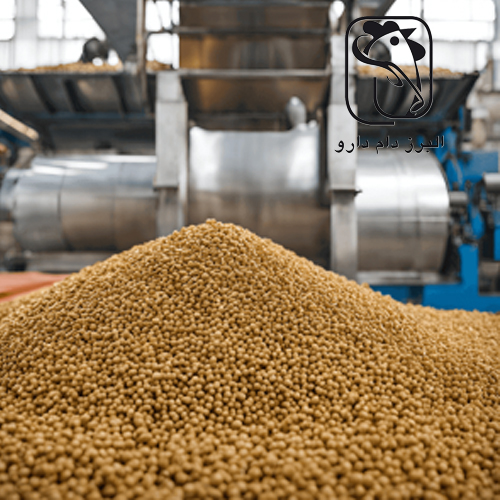
The Process of Animal Feed Production in Factories
The Process of Animal Feed Production in Factories|Animal feed production is one of the essential and vital sectors in the livestock industry. High-quality feeds not only influence the growth and health of livestock but also contribute to improving the quality of animal products and increasing economic productivity. This article details the process of animal feed production in factories, from the initial stages of sourcing raw materials to production processes, quality control, and packaging.
.1Research and Development (R&D)
.1.1Needs Analysis
Before starting the production process, the nutritional needs of the livestock are analyzed based on their type and age (calves, cows, sheep, etc.). This information helps nutrition specialists design appropriate formulations.
.1.2Formulation Development
Nutrient Composition: The feed formulation includes a combination of proteins, carbohydrates, fats, vitamins, and minerals.
Nutritional Testing: Field trials are conducted to assess the effects of various formulations on the growth and health of livestock.
Conclusion
The process of animal feed production in factories involves multiple stages, each of which is critical for ensuring the quality of the final product and the well-being of the livestock.
.2Sourcing Raw Materials
.2.1Supplier Selection
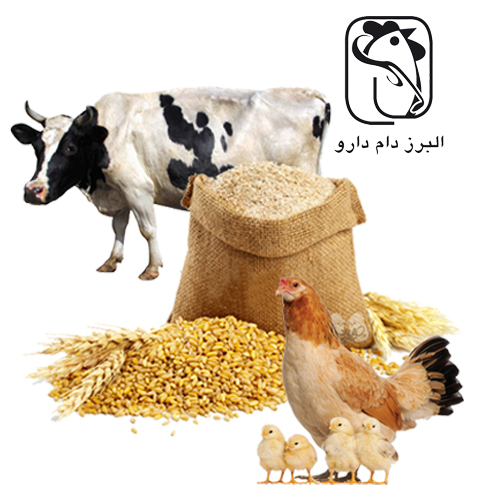
Raw Materials: Sourcing high-quality raw materials from reputable sources is a critical step. The raw materials include grains (such as corn and barley), plant proteins (such as soy), fats, vitamins, and minerals.
2.2. Quality Control of Raw Materials
Microbiological Testing: Before the raw materials enter the factory, microbiological and chemical tests are conducted to ensure their quality and the absence of contaminants.
Quality Certifications: Suppliers must provide quality and health certifications.
.3Animal Feed Production Process
.3.1Grinding
Grain Grinding: Grains and other raw materials are ground to appropriate sizes. This step helps increase the surface area of the materials and improves digestibility.
.3.2Mixing
Mixing Ingredients: The ground materials are mixed in specified ratios. This mixture includes grains, proteins, fats, and vitamins and minerals.
Use of Mixers: Industrial mixers are used to ensure uniformity in the mixing of materials. This step is crucial as it ensures that all ingredients are evenly distributed.
.3.3Cooking and Extrusion
Cooking: The produced mixtures are subjected to heat to eliminate microorganisms and improve the quality of the feed.
Extrusion: This process involves the use of extruder machines that shape the feed into various forms (such as pellets) through pressure and heat. This method aids in improving digestibility and nutrient absorption.
Alborz Dam Darou Factory
.3.4Drying
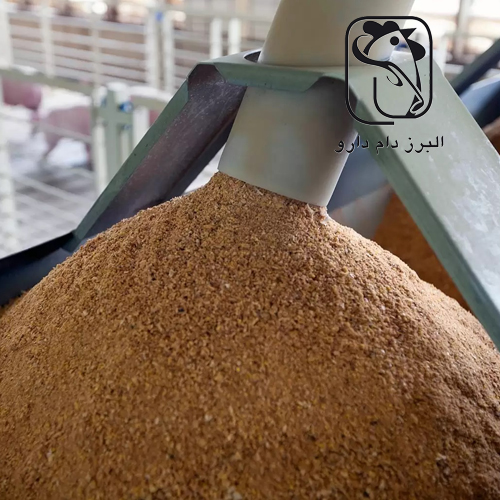
Moisture Reduction: After extrusion, the feed must be dried to reduce its moisture content. This step is typically carried out using industrial dryers.
Increased Shelf Life: Reducing moisture helps increase the shelf life of the feed and prevents spoilage.
3.5. Packaging
Appropriate Packaging: The produced feed is placed in suitable packaging. The packaging should clearly display information regarding the contents, expiration date, and usage instructions.
Final Quality Control: Before distribution, final quality control is conducted on the packages to ensure that the produced feed meets the required standards.
.4Quality Control in Animal Feed Production
.4.1Quality Testing
Microbiological and Chemical Testing: Quality tests are performed on samples at each stage of production to ensure that the produced feed is free from contamination and complies with standards.
.4.2Compliance with Standards
National and International Standards: Factories must adhere to national and international standards (such as ISO) to ensure the quality and safety of their products.
.6Conclusion
The process of animal feed production in factories is a complex, multi-stage procedure that requires precision, quality, and attention to detail. From research and development, sourcing raw materials, to production processes, quality control, and packaging, each stage is critically important.
Given the existing challenges and opportunities, investing in modern technologies and improving production processes can enhance the quality and efficiency of animal feed production, ultimately leading to the provision of healthy and high-quality food for livestock and improving economic productivity.
پست های مرتبط

The Best Pellet Production Company in Mazandaran
